
What is cryptocurrency, you ask? Well, lets break it down in an easy-to-understand way in this beginners guide! Throughout this guide, we will discuss what cryptocurrency is, how it works, how to buy it, the risks involved with investing and more!
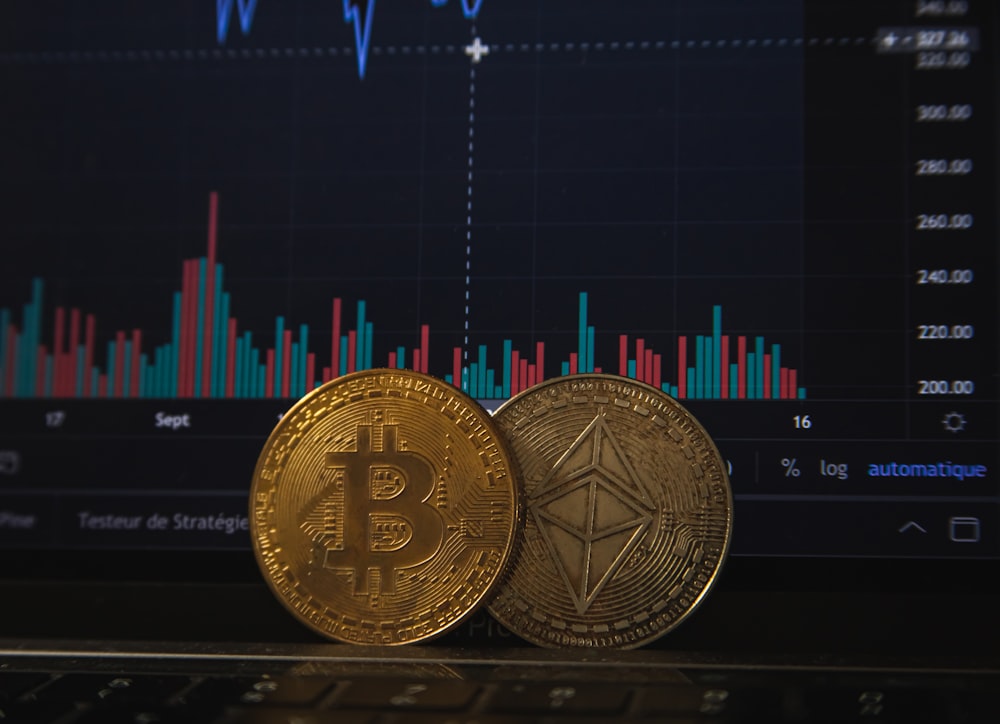
A Beginners Definition of Cryptocurrency
The term ‘cryptocurrencies’ itself derives from the cryptographic processes developers have created to safeguard cryptocurrency against fraud. Finally, cryptocurrencies allow us to have digital currencies that cannot be fraudulently copied or faked, allowing someone to spend these currencies twice. Cryptocurrency (crypto) is truly revolutionary in the step towards making a viable digital currency.
Units of cryptocurrencies are referred to as coins or tokens, dependent on how they are utilized. Some are units of exchange, others are stores of value, and some are created to support computer networks that carry out more complex financial transactions.
Cryptocurrencies can be created in a multitude of ways. Mining is one of the original ways cryptocurrencies are generated. For example, Bitcoin mining is still very popular and it’s the way new Bitcoin is generated. Bitcoin mining and other mining is energy/electricity intensive, whereby computers solve puzzles to verify the authenticity of transactions on the network. A lot of computing power is required. The reward for verifying the transaction is a newly created cryptocurrency. No centralized entity can create Bitcoin from out of thin air, it MUST be mined.
Cryptocurrencies exist through blockchain technology, so let’s look at what blockchain technology is
What is Blockchain Technology?
Blockchains are open-source distributed ledgers that record transactions by code. The actual system is very similar to a checkbook distributed across many computers across the globe. Transactions are recorded by a “block” and are merged with previous transactions on an underlying blockchain. Imagine having an online diary where you record all of the money you have spent every day,” Buche Okoro says. “The whole book, the whole page are blockchains.”.
The historical challenge with digital currencies has been making sure that all participants can agree on the correct copy of the historical ledger. It’s been near impossible to find a trusted third party.
Without a universally recognized method to validate transactions, it’s impossible for people to trust that their holdings are secure. Since the development of blockchain technology, several ways of reaching “consensus” have been created, with two most widely known: “proof of work” and “proof of stake.” The Bitcoin protocol uses proof of work.
Mining is a complicated way to generate cryptocurrencies. For most, simply purchasing from an exchange will be an easier way to get involved.

How Do You Buy From Cryptocurrency Exchanges?
The easiest way for a beginner to make crypto purchases is a centralized exchange. Now, I know we mentioned cryptocurrency being decentralized, yet there are still centralized authorities to purchase them from (and then you can move to decentralized networks later).
Centralized exchanges act as a marketplace for users to buy and sell cryptocurrencies. The exchange will sell the cryptocurrency at market rates while making a fee on various fees for the service provided.
There are traditional currency brokers such as Robinhood, Tradestation, NerdWallet etc. that offer stocks as well as cryptocurrency transactions. However, we recommend using a pure cryptocurrency exchange, such as CoinBase, Kraken, Binance, Crypto.com and Gemini. Generally speaking, cryptocurrency focused exchanges have a better selection of coins and tokens to buy, as well as storage and yield options.
Centralized exchanges (CEX) are usually the best way to transform fiat currencies into cryptocurrencies. You can simply buy something like Bitcoin or Ethereum using your bank card. Usually, you will send fiat to the CEX to then swap for a cryptocurrency, or you can simply buy the cryptocurrency straight away with your fiat currencies.
Now, centralized exchanges are often ports of hacks and attacks… But the main exchanges have strong defenses and will reimburse users should anything go wrong.
The other alternative is purchasing cryptocurrency through decentralized exchanges (DEX). For the more advanced user, decentralized exchanges can be more favorable with their lower fees and enhanced usability.
However, DEX’s presents much more room for user error. You will certainly need a guide and or friend on hand to guide you through using a DEX for the first time. Because this is the world of decentralization, there is no central authority there to help or refund you should you make a mistake. A mistake could be sending funds to the wrong address – your funds would likely be lost for god!
Another alternative to purchasing cryptocurrency is through peer to peer transactions. Binance and other exchanges can facilitate peer to peer transactions, or you could simply have a friend send you cryptocurrency to your crypto wallet.
Select a Cryptocurrency To Buy
Deciding which cryptocurrency to buy is a tricky process. For the beginner, it is likely best to simply get started with the absolute basics. Use one of the centralized exchanges listed above, get fiat currency onto one of the cryptocurrency exchanges and trade them for crypto assets. It is better to actually buy crypto and become exposed to the systems, technology and volatility, then later refine your investment processes.
Here’s a list of some popular cryptocurrencies that you might want to start with:
Bitcoin. Bitcoin is the first cryptocurrency created, most popular and boasts the highest market capitalization of any cryptocurrency in the world. We believe everyone should have at least a little bit of Bitcoin. It makes for a good first purchase! Bitcoin ETFs are slowly being introduced making Bitcoin extremely mainstream. It’s also become the national currency of countries like El Salvador. Many businesses in the world are starting to accept bitcoin as a legitimate payment method, too. The Bitcoin network is getting stronger year after year and there’s simply no denying that. Start with Bitcoin!
Ethereum. The Ethereum blockchain is less of a store of value (like Bitcoin and the Bitcoin network) and more for carrying out financial transactions. It is the second largest cryptocurrency in the world and the second most popular cryptocurrency. Ethereum, “Eth”, or “Ether” is also a great first cryptocurrency to own.
Dogecoin. Perhaps you would like to try one of the more speculative crypto assets? Well, Doge could be a great starting point! Doge is a “meme coin” – driven by its fun community and potential to be a useful blockchain technology one day. Meme coins can be extremely volatile, so be careful!
There are plenty of other cryptocurrencies to choose from. As we said, it’s likely best to simply get involved and comfortable with the software/technology and refine your favored cryptocurrency holdings later.
Keeping Your Cryptocurrency Safe
Now that you have added fiat currencies to a centralized exchange, exchanged them for a popular cryptocurrency, now you must keep your coins safe!
You have a couple of options available to you if you want to store cryptocurrency safely.
Firstly, you can simply keep your coins on the exchange you purchased them from. For example, you may have bought Bitcoin on Binance. Binance can keep your Bitcoin safe for you on their platform. You will simply need to remember your passwords and other safety measures Binance grants you. Many would argue that you do not actually own cryptocurrency stored on an exchange. Binance owns it as you are operating on their exchange.
Your other option is to use a noncustodial wallet. You have the option of hot or cold wallets. In both cases, you will be given the private key (password) to that wallet that you are responsible for keeping safe. Private keys are often in the form of 6-12 randomized words.
Hot wallets are those which have some sort of online connectivity. Perhaps you plan to make a lot of cryptocurrency transactions via swapping coins/tokens between different networks, decentralized systems and exchanges. You would be using a hot wallet – easier to use but easier to exploit by hackers should you click on any bad links or connect to any scam smart contracts. Cold wallets are offline, tangible devices that cannot be touched by anyone who does not have them in their material possession. Many crypto traders will use a hot wallet for their day-to-day activities while storing something like bitcoin on a cold wallet as they do not plan to access it for many years.
Many users keep their virtual currencies on a cryptocurrency debit card. Companies like Binance provide certain users with these cards to make cryptocurrency payments in the fiat world. For example, one could buy a TV from a shop with their Binance card. You can directly spend cryptocurrency or swap your crypto for USD coin (stable coins), or actually hold various fiat currencies on your card – ready to be used in the fiat world. The card allows you to use Binance like a bank account. You can make regular ATM withdrawals with it too.

Advantages and Disadvantages of Cryptocurrency
There are tremendous benefits to owning cryptocurrency, but also some downfalls. Let’s go over some benefits and negatives below.
Benefits of Cryptocurrencies
- There is likely a lot of money to be made investing in cryptocurrencies. As crypto becomes more popular, more money is entering the space and inflating the price for those already holding.
- The decentralized nature of crypto attracts many people who would like to remove power from central banks and their power of the monetary system. The recent “decentralized finance” boom is a testament to that. A decentralized system backed by unbiased blockchain tech reduces the scope for foul play compared to the traditional system. Transaction data is all tracked and traceable on the blockchain.
- DeFi has birthed interesting and unique ways to earn money. For example, staking, liquidity mining, and more have become available to the average crypto user. Again, traditional financial institutions have never given the general public this kind of choice or access to different ways to earn money.
Downsides of Cryptocurrencies
- Getting involved with crypto is confusing to start with. It’s like a whole new world. This deters many people from getting involved due to the complexities. We still believe the digital asset is the future of finance and value, but it is definitely tricky to learn at first.
- Crypto is extremely volatile, which puts off many investors. However, the beauty lies within volatility. Yes, your coins can go down a lot, but it also means they can go up a lot!
- Rules and regulations are constantly trying to slow crypto’s growth, but there are many crypto companies fighting to make crypto more mainstream and usable within modern society.
- Environmental damage is an argument put forward by many crypto naysayers. Sure, there is likely an environmental effect from crypto. However, there is an environmental effect from virtually all major technological developments in this world. Also, think about how much energy and resources the banks currently use to run their operations around the world. We would argue that crypto will be far more efficient than the current systems.
- Many criminals are exploiting the crypto system and using it for money laundering. Entities like the Taliban receive cryptocurrency and other countries can’t do a lot to intercept it, thanks to the great decentralized creation of Satoshi Nakamoto! Money laundering is as old as time, so it will always be happening, no matter what new financial systems we come up with.
How To Invest In Crypto
As far as investments go, crypto is one of the riskier avenues. Especially when you compare it to the likes of property, stocks and shares etc.
Many will argue that crypto should make up a small percentage of your overall portfolio, but that is for you to decide. Many people are extremely successful with 100% of their investments in crypto, and many are successful with 0% of their investments in crypto. Sure, it is more volatile, but volatility is extremely favorable if you can navigate the market correctly.
Should you want to play it safe and only allocate a small percentage of your investments towards crypto (let’s say 25%), you can easily make this safe by diversifying your portfolio. Seemingly safe investments are the top coins like Bitcoin and Ethereum. On the flip side, you can allocate some of your 25% towards the riskier lower cap projects with high upside and high potential downside.
You could even look at “microcaps” – which are brand new coins/tokens. The chance for upside on microcaps is massive, but they are also some of the riskiest investments in crypto.
Diversifying your crypto portfolio will help to reduce some of the volatility you will expect to see in this industry.
Do Your Own Research!
It’s extremely important to take full ownership of the crypto you buy. In order to do this, you must understand what you are buying. In order to understand what you are buying, you must do a lot of research! Like we said at the top of this post, it can make sense to dive in and learn as you go – but we would only suggest doing this with a tiny amount of your funds. Only start allocating more serious amounts of money when you are sure of what you’re investing in.
Simply buying a coin or token because someone else said to is not good enough. These are the factors you should consider before seriously investing in any crypto project.
- Why you are buying it. What upside is there to buy the coin?
- Who created the coin. Is the team smart, forward thinking, likely to stick around? Make sure to never invest in make-shift teams unless you are good at entering and exiting the market at the right times!
- When you are buying it. Is there an upcoming catalyst that might give the coin more usability or boost the price?
- How much are you buying? Crypto is a risky game and you want to invest accordingly. Don’t put too much of your net worth towards any project because anything can happen!
- Network. What does your close network think about your decision? Do they think it’s a good buy? Yes? No? Why not?
- What is your exit strategy? What do you actually plan on doing with this coin? Flip and sell it soon? Or perhaps hold for 5 years? You need to have a plan as to what you are doing with the coin or things might go pear shaped.
So as you can see, there is a lot of nuances when it comes to investing in crypto. You need to do your due diligence. Thankfully, with time, you should improve at investing and the overall crypto landscape will become clearer to you. Certainly, at the start, it’s very tricky. That is why we would recommend simply getting involved at the start by buying a small amount and becoming exposed to everything and gaining knowledge/experience as you go.
Although we said don’t blindly listen to friends, your network is still a great resource in finding new coins and tokens. The industry is so massive that it’s hard to become an expert in every field. Having friends specialize in parts of crypto you don’t can help you not to miss obvious money-making plays simply because you don’t frequent that sector of crypto (e.g. NFTs)

Frequently Asked Questions
How Can You Make Money in Crypto?
There are endless ways to make money in the crypto space. Let’s go over them.
- Investing. Simply put, you invest into a coin like Ethereum, then more people buy Ethereum after you and the value of your holdings increases.
- Staking. Many crypto projects offer staking rewards. The premise is similar to holding your fiat currencies at a bank. You gain interest for holding your coins or tokens with their platform to incentivize holding the coin.
- Liquidity providing. Liquidity providing is an interesting concept largely introduced by the recent decentralized finance (DeFi) boom. Essentially, you can help create a market by holding a liquidity pair of two tokens, allowing people to trade between these two assets. By creating liquidity for people to trade between, you earn a percentage of the fees for providing this service. Despite earning some daily fees (which can reach astronomical levels), there is still risk involved, as your coins (Bitcoin and Ethereum) could drop in value, meaning your liquidity pair token decreases in value.
- Create a cryptocurrency. Many budding developers and entrepreneurs are joining the space to create their own digital assets. This can be extremely lucrative as even meme coins are reaching hundreds of millions in market capitalization. This is no easy feat and not recommended to the crypto beginner!
- Create a business within crypto. Perhaps you aren’t much of an investor, nor are you ready to create your own blockchain, coin or token. Well, you could start a business related to crypto. Perhaps you are an expert with Google Ads and can offer your marketing services to existing crypto companies. Cryptocurrency work is plentiful right now, with endless opportunities arising every single day.
- Initial coin offerings, presales and being early. A popular technique to make money in crypto is by getting involved as early as possible. Sure, it doesn’t always go right, but the premise is that if you invest extremely early into a promising project, you might be there before thousands or even millions of other investors.
What is The Main Purpose of Cryptocurrency?
The cryptocurrency market has the potential to solve major problems presented in traditional currency systems. Virtual currency removes the middleman. Instead of banks verifying transactions, crypto codes and smart contracts can be used instead. Many would argue banks around the world are not acting in a fair manner. Crypto’s transparency can remove this fear.
Sure, there are many cryptocurrency criminals out there. Many. But crypto transactions are much more verifiable than the current system. Crypto transactions exist on the blockchain and are much easier to track for layman.
What is Proof Of Work?
Simply put, proof of work is a consensus mechanism that allows blockchains to operate safely and securely. Proof of work demands potential participants prove they have dedicated a resource (energy/money) to the blockchain. A lot of energy is required to power proof of work.
Bitcoin is powered by proof of work. So is Eth 1.0, with Eth 2.0 to be run on proof of stake.
What is Proof Of Stake?
Proof of stake is also a consensus mechanism that allows blockchains to operate safely and securely. Participants are required to stake crypto behind the new block they want to add to a cryptocurrency’s blockchain. Proof of stake is meant to reduce the amount of energy used by proof of work. Ethereum will move to proof of stake in its uphaul to Eth 2.0.
Which Exchange Should I Use?
Crypto exchanges are plentiful. Naturally, they all want a piece of the huge market capitalization involved with crypto exchanges.
There are many cryptocurrency exchanges to choose from. We would suggest looking at the laws within your country to find the most suitable exchange for you. For example, Binance might be a great choice for someone in Europe, but less favorable for someone living in the USA.
You can also see which digital assets that exchange offers you. Many exchanges won’t offer the digital assets you actually want to buy. So make sure to look into the exchange you sign up to before signing up!
Some exchanges also offer attractive signup offers. See who has an attractive signup offer running at the moment.
Also, if you are to get help from a family member or friend, perhaps they have a preferred exchange with reasons why they prefer it.
Should I Mine Crypto?
We would not recommend beginners to mine cryptocurrency. It can be a tricky and costly endeavor for those not particularly familiar with the space. If you are still asking what is cryptocurrency, we would say that you should simply purchase some crypto and become more familiar with it first.
Cryptocurrency mining is generally carried out for proof of stake coins like Bitcoin. Early miners of bitcoin were able to simply use normal computers. Now you need specialist computers whose sole purpose is to mine. Cryptocurrency mining is now happening at a vast scale, with teams using entire warehouses to mine that precious bitcoin.
Another option is to join a mining pool, where you share the digital currency rewards with other miners. You are rewarded less for each successfully mined block, but you increase your chance of turning a profit on your mining venture.
Your other option is to mine a less valuable cryptocurrency, such as “Helium”, or any other coin that offers mining. There will be less competition compared to something like Bitcoin, so the return on investment might not be there. Do your own research!
Which Cryptocurrency Should I Buy?
This is an extremely nuanced question and only you can answer this. Remember to follow the steps of this article and you will slowly become a better investor. Not many people hit it out of the park with their first investment! That’s why we would recommend a process like this:
- Sign up to an appropriate centralized exchange.
- Buy an amount of crypto you can afford to lose in one of the top coins (e.g. ETH).
- Keep reading, learning and researching.
- Branch out and invest in other coins/tokens on the exchange.
- Eventually move to decentralized exchanges and try your hand t

